
Hampta Pass Trek: Route, Difficulty, Best Time and Preparation
Hampta Pass Trek: Route, Difficulty, Best Time and Preparation
The Hampta Pass Trek is one of the most exciting high-altitude trekking experiences in Himachal Pradesh. Located in the Pir Panjal range, this beautiful trail connects the green landscapes of Kullu Valley with the rugged mountains and dry terrain of Lahaul Valley.
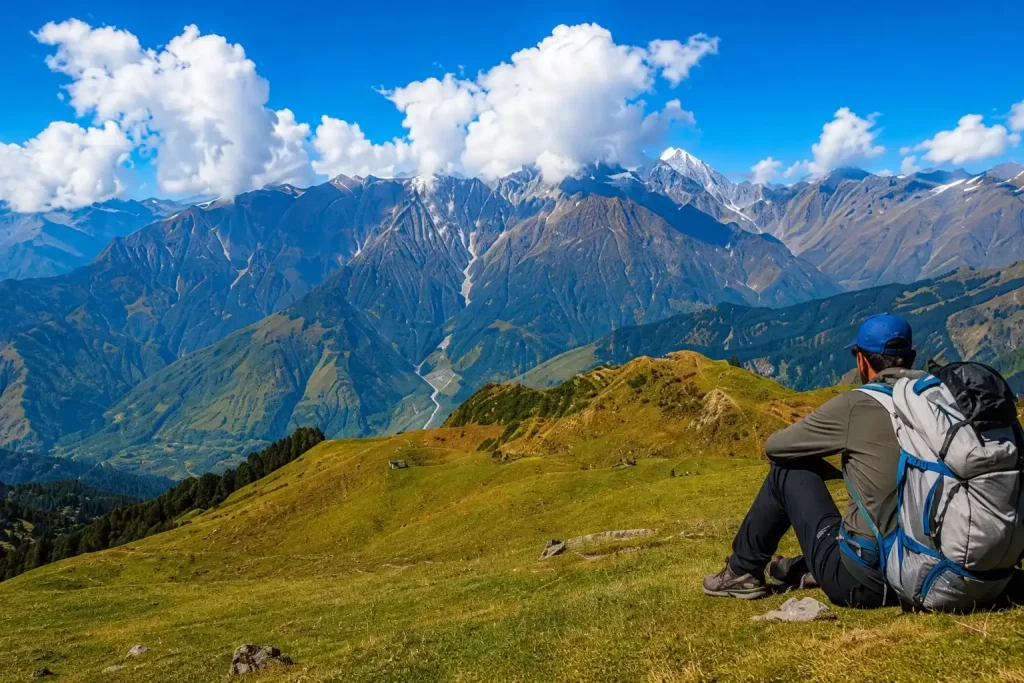
Starting near Manali, the trek takes you through dense forests, open meadows, flowing streams, rocky mountain paths and snow-covered sections before reaching Hampta Pass at approximately 4,270 metres. The dramatic change in scenery along the route makes it a memorable experience for nature lovers and adventure enthusiasts.
Whether you are planning your first Himalayan trek or looking for a new mountain adventure, this guide covers everything you need to know about the Hampta Pass Trek, including its route, difficulty, best time to visit and preparation tips.
1. Where Is Hampta Pass Located?
Hampta Pass is situated in the Pir Panjal mountain range of Himachal Pradesh, connecting the Kullu region with Lahaul. The trek begins near Jobra, which is accessible by road from Manali, and finishes near Chhatru on the Lahaul side.
One of the biggest attractions of this trek is the contrast between its two landscapes. The Kullu side features green valleys, forests and alpine meadows, while the Lahaul side offers dramatic mountain views, rocky slopes and a more barren Himalayan landscape.
At an altitude of approximately 4,270 metres (14,000 feet), Hampta Pass provides an unforgettable mountain-crossing experience.
2. Hampta Pass Trek Route and Itinerary
The Hampta Pass Trek generally takes four to five days, depending on the itinerary and weather conditions. The walking route is approximately 25–30 kilometres, although distances can vary between trekking operators.
Here is a typical route followed by many trekking groups:
Day 1: Manali to Jobra – Trek to Chika
The journey begins with a drive from Manali to Jobra, the starting point of the trek. From Jobra, the trail passes through beautiful forests and open landscapes before reaching Chika.
The first day introduces you to the natural beauty of the region, with mountain streams, green meadows and scenic surroundings.
Day 2: Chika to Balu Ka Ghera
The second day takes you deeper into the Hampta Valley. The trail follows streams and gradually opens into wider mountain landscapes.
Balu Ka Ghera is a popular campsite surrounded by towering mountains. It is also an important stopping point before the challenging climb towards Hampta Pass.
Day 3: Balu Ka Ghera to Hampta Pass – Descend to Shea Goru
This is generally the most challenging and rewarding day of the trek.
The trail climbs towards Hampta Pass through rocky terrain and snow-covered sections, depending on the season. Once you reach the pass, you can enjoy spectacular views of the surrounding Himalayan mountains.
After spending some time at the top, the route descends towards Shea Goru on the Lahaul side. The descent can be steep and requires careful footing.
Day 4: Shea Goru to Chhatru – Return Towards Manali
The final trekking section takes you through the rugged landscape of Lahaul towards Chhatru.
From Chhatru, trekkers usually continue by road towards Manali, depending on road and weather conditions. Some itineraries also include a visit to Chandratal Lake as an additional excursion.
3. How Difficult Is the Hampta Pass Trek?
The Hampta Pass Trek is generally classified as a moderate-level trek. It can be suitable for fit beginners who have prepared properly, as well as trekkers with some previous mountain experience.
However, reaching an altitude of over 4,200 metres requires physical preparation and awareness of altitude-related risks.
Some of the challenges include:
High altitude: The trek reaches approximately 4,270 metres, where the reduced oxygen availability can affect physical performance.
Long walking hours: The pass-crossing day can involve around 8–10 hours of walking, depending on trail conditions and group pace.
Steep sections: The climb towards the pass and descent towards Shea Goru require stamina and balance.
River crossings: Streams along the route may need to be crossed carefully, particularly after rainfall or during warmer afternoons.
Changing weather: Rain, strong winds, cold temperatures and sudden weather changes are possible in the mountains.
A reasonable level of fitness, proper equipment and an experienced trekking team can make the journey more manageable.
4. Best Time to Visit Hampta Pass
The main trekking season for Hampta Pass generally runs from June to September. However, the experience changes considerably depending on the month and prevailing weather conditions.
June – Snow-Covered Mountain Trails
June is a popular month for trekkers who want to experience snow along the higher sections of the route. Snow conditions can make parts of the trail more challenging, so proper equipment and guidance are important.
July – Green Valleys and Mountain Streams
The surrounding landscapes become greener during July, with flowing streams and beautiful mountain scenery. However, monsoon rainfall can affect the Kullu side, making trail and river conditions less predictable.
August – Lush Landscapes and Alpine Scenery
August offers beautiful green surroundings and a vibrant mountain atmosphere. It is also part of the monsoon season, so trekkers should be prepared for rain, slippery trails and possible changes to the itinerary.
September – Clearer Skies and Autumn Views
September can offer clearer mountain views and a quieter trekking experience. Temperatures become colder, particularly at night, and snow or early winter conditions may affect the upper trail.
The exact trekking window depends on snowfall, weather, trail access and local permissions. Always confirm the latest conditions before planning your departure.
5. How to Prepare for the Hampta Pass Trek
Physical preparation is important for a comfortable and safer trekking experience. Even though Hampta Pass is considered moderate, the altitude and long walking hours can be demanding.
Here are some ways to prepare before your trek:
Build Your Walking Stamina
Start walking regularly several weeks before the trip. Gradually increase your walking distance and include uphill and downhill routes to prepare your legs for mountain terrain.
Improve Your Cardiovascular Fitness
Activities such as jogging, cycling, swimming and brisk walking can help improve endurance. Begin at a comfortable level and gradually increase the intensity.
Strengthen Your Legs
Include exercises such as squats, lunges, step-ups and calf raises in your routine. These exercises can help prepare your legs for steep climbs and descents.
Practise Walking with a Backpack
Try walking with a lightweight backpack before the trek. This helps your body adjust to carrying your personal essentials over longer distances.
Prepare for High Altitude
Avoid rushing during the trek and follow your guide’s instructions. Recognise possible symptoms of acute mountain sickness, such as headaches, nausea, dizziness and unusual fatigue. If symptoms appear or worsen, inform your trekking team immediately. Severe symptoms require prompt descent and medical assessment.
6. Essential Packing List for Hampta Pass Trek
Packing the right equipment can make a big difference to your trekking experience. Mountain weather can change quickly, so carry clothing and accessories suitable for rain, cold temperatures and sunny conditions.
Clothing
Moisture-wicking T-shirts and trekking trousers
Thermal innerwear
Fleece or warm mid-layer
Waterproof and windproof jacket
Down or insulated jacket
Woollen socks and gloves
Warm cap and sun cap
Comfortable undergarments
Footwear and Accessories
Good-quality waterproof trekking shoes with proper grip
Comfortable camp shoes or sandals
Trekking poles
Sunglasses with UV protection
Headlamp or torch with extra batteries
Backpack with rain cover
Reusable water bottle
Personal Essentials
Sunscreen and lip balm
Personal toiletries
Basic first-aid supplies and prescribed medicines
Personal identification documents
Power bank
Small towel and quick-dry clothing
Check with your trekking operator before departure because some group packages provide equipment such as tents, sleeping bags and trekking poles.
7. How to Reach Hampta Pass from Manali
Manali is the main base for the Hampta Pass Trek. Travellers can reach Manali using different transport options.
By Road: Manali is connected to major cities such as Delhi and Chandigarh through road networks. Buses and private taxis are available from several locations.
By Air: Bhuntar Airport is the nearest airport, located in the Kullu region. From there, travellers can continue to Manali by road. Flight availability may be limited, so check schedules in advance.
By Train: Chandigarh is a commonly used railway connection for travellers heading towards Manali. From Chandigarh, you can continue by bus or taxi.
Once in Manali, the trekking team generally arranges the road transfer to Jobra, subject to the package and local road conditions.
8. Can You Visit Chandratal Lake After the Hampta Pass Trek?
Yes. Chandratal Lake is a popular addition to many Hampta Pass trekking itineraries.
Located in the Lahaul region, Chandratal is known for its beautiful high-altitude setting, clear water and surrounding mountain scenery.
After completing the trek at Chhatru, some groups travel towards Chandratal by road before returning to Manali. This excursion depends on road access, weather, available time and the itinerary arranged by the trekking operator.
Chandratal is not part of the walking route over Hampta Pass, so check whether the excursion is included in your trekking package.
9. Important Safety Tips for Hampta Pass Trek
A high-altitude trek requires careful planning and responsible travel. Keep these points in mind before and during your journey:
Choose an experienced and reliable trekking operator.
Follow your guide’s instructions throughout the route.
Do not attempt river crossings alone.
Carry suitable rain protection and warm clothing.
Drink water regularly and maintain a comfortable walking pace.
Never ignore symptoms of altitude sickness.
Avoid littering and carry all non-biodegradable waste back.
Respect local communities, wildlife and the natural environment.
Check weather forecasts, road access and local trekking advisories before departure.
Mountain conditions can change quickly. Your trekking team should be prepared to modify or cancel a route when safety requires it.
10. Experience the Hampta Pass Trek with StepUp Himalaya
The Hampta Pass Trek offers a wonderful opportunity to experience the changing landscapes of the Himalayas. From the green forests and meadows of Kullu Valley to the rugged mountain terrain of Lahaul, every section of the journey brings something different.
Whether you are planning your first high-altitude adventure or looking to explore another beautiful Himalayan route, proper preparation and the right trekking support can make your experience more enjoyable.
StepUp Himalaya offers trekking and adventure experiences in the mountains of Himachal Pradesh. If Hampta Pass is on your travel list, explore the available trekking options and plan your journey with a team that understands the region.
Get ready to explore the mountains, challenge yourself and create unforgettable memories on the Hampta Pass Trek.
Frequently Asked Questions
1. How many days are required for the Hampta Pass Trek?
The trek generally takes four to five days, depending on the itinerary. Some packages include additional travel days or a visit to Chandratal Lake.
2. What is the maximum altitude of Hampta Pass?
Hampta Pass is located at approximately 4,270 metres (14,000 feet) above sea level.
3. Is Hampta Pass Trek suitable for beginners?
Yes, fit beginners can consider this trek with proper physical preparation and experienced guidance. The high altitude and long pass-crossing day should not be underestimated.
4. What is the best month for Hampta Pass Trek?
June to September is the main trekking season. June generally offers more snow, July and August have greener landscapes but monsoon-related risks, and September can offer clearer skies and colder conditions.
5. Is a guide necessary for Hampta Pass Trek?
Going with an experienced guide or organised trekking group is strongly recommended because of the high altitude, changing weather, stream crossings and challenging sections of the route.
6. Is snow available during the Hampta Pass Trek?
Snow is commonly found around higher sections during the early trekking season, particularly in June and sometimes early July. Actual snow conditions vary each year.
7. Can I visit Chandratal Lake during the Hampta Pass Trek?
Yes, Chandratal can be added as a road excursion after reaching Chhatru. It is not part of the walking route, and the visit depends on road and weather conditions.
8. What level of fitness is required for Hampta Pass?
You should have reasonable cardiovascular endurance and leg strength. Regular walking, jogging, cycling and stair climbing before the trek can help you prepare for long walking days.